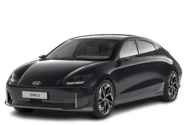
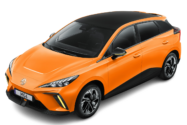
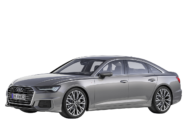
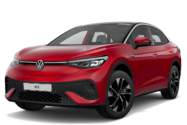
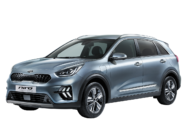
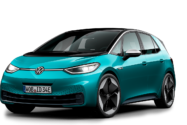
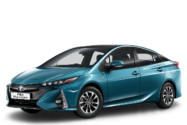
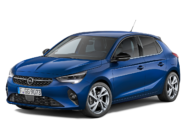
Separate from Green NCAP’s sustainability rating, the Driving Experience assessment provides valuable insights into a vehicle’s real-world behaviour and usability – particularly for electric vehicles. Each item is rated on a three-point scale – good, adequate, or poor. Item scores are then aggregated to produce overall evaluations for the three categories:
Green NCAP estimates real-world energy consumption using measured test data, adjusted with correction factors to better represent everyday driving. The resulting values reflect performance across urban, rural, highway, and mixed driving scenarios in both warm and cold winter conditions. Green NCAP’s estimated actual consumption offers a more realistic figure than the value provided by the manufacturer, which is typically determined under idealised test conditions. The details behind the calculation method are provided in the Estimated real-world energy consumption and rriving range Test Procedure.
Estimated actual driving range
For electric vehicles only: Real-world range is one of the most important factors for consumers, especially in challenging driving conditions. Green NCAP provides an estimated range based on test results, refined using real-world correction factors and aligned with the methodology applied for calculating estimated actual consumption. Green NCAP’s estimated driving range offers a more realistic figure than the value provided by the manufacturer, which is typically determined under idealised test conditions.
Accuracy of display
This evaluation highlights discrepancies between the vehicle’s measured energy consumption and the values shown on the onboard display, helping drivers assess the accuracy of the information provided and avoid potential misrepresentation or confusion.
Cold Winter Performance
(Hybrids and EVs Tested at –7°C)
Driving range benefit of pre-warming (EVs only)
Cold temperatures significantly increase energy demand, particularly at the start of a trip. When available, pre-warming the vehicle while it is plugged in can substantially improve driving range by reducing this additional consumption. This allows the cabin and key powertrain components – such as the high-voltage battery – to reach optimal operating temperatures using electricity from the grid rather than the vehicle’s stored energy.
Cabin heating
Green NCAP measures the time required for the cabin to reach 16°C from a starting temperature of -7°C, assessing heating performance at key occupant areas, including the head, feet, and front and rear seating positions. This evaluation reflects the thermal comfort experienced by occupants, indicating whether the cabin warms quickly and evenly or if certain areas remain cold. It also highlights the typical trade-off between cabin heating performance and energy consumption, which is important when considering a vehicle’s electricity use.
Additional heating functions
Certain heating functions and components – such as heat pumps, heated seats, heated steering wheels, and scheduled pre-conditioning – can provide or enhance thermal comfort quickly while minimizing energy consumption. Recognizing their importance to consumers, Green NCAP lists these available options in a dedicated table.
Cabin thermal insulation
This indicator shows how quickly the cabin loses heat when exposed to an outside temperature of –7°C, providing insight into the vehicle’s ability to retain warmth. When the heating system frequently draws energy to compensate for heat loss, the battery depletes faster. This may result in reduced driving range, higher energy consumption per kilometre and more frequent charging needs, especially in winter. Green NCAP’s Cabin insulation Test Procedure explains how the test is performed.
Charging Capability
(EVs only)
Battery pre-conditioning
Green NCAP indicates whether the vehicle can optimise battery temperature ahead of a fast-charging session to achieve better charging performance. Most vehicles with this function activate pre-heating automatically when fast-charger coordinates are entered into the navigation system, while some also offer manual activation for added convenience.
Fast charging
This measure evaluates the vehicle’s peak fast-charging performance by assessing how quickly the battery can restore energy under optimal conditions. The test considers the time required to recharge from 10% to 80% state of charge (SoC) and presents the results in multiple charts. The chart showing recharged range per charging time is particularly useful for consumers. Details of the procedure are provided in Green NCAP’s DC fast charging performance for Pure Electric Vehicles (PEV) Test Procedure.
Home charging efficiency
This measure evaluates how efficiently the vehicle converts electricity drawn from the grid into usable energy at the high-voltage battery terminals, indicating real-world home-charging and discharging performance. Higher efficiency reduces energy losses, improving cost-effectiveness and extending driving range after a full charge. The metric is based on Green NCAP’s Battery capacity Test Procedure.
Bidirectional charging
This indicates whether the vehicle can supply power to external devices, home energy systems, or even back to the grid, enabling additional flexibility for consumers. Green NCAP evaluates the maximum deliverable power, as well as the compatibility and integration level of the charging system.
The procedures used to measure Driving Experience metrics an be found in Procedures.